
What to record
- Show the driveway, proposed staging and the last stretch to the concrete.
- Note soft areas already observed and features that must be protected.
- Identify an alternate route only if its use is actually authorized.
The decision to discuss
Ask whether access conditions affect timing, equipment or protection. Keep restoration expectations explicit and avoid treating a work date as a promise about future ground conditions.
Why the surrounding context matters
New concrete needs appropriate moisture and temperature conditions while it develops its intended properties. Repair products also have their own protection requirements. The actual installed system and use should determine the care and reopening discussion rather than a generic calendar rule.
Further background: NRMCA: curing in-place concrete. This general background does not diagnose your property.
Local reference for Fairfax
Fairfax's planning page links permits and applications, development review and zoning contacts. See Fairfax planning and zoning.
Attach a marked layout alongside condition photographs when a concrete proposal changes an entrance or equipment area. Keep existing conditions distinct from features you are asking to add or move.
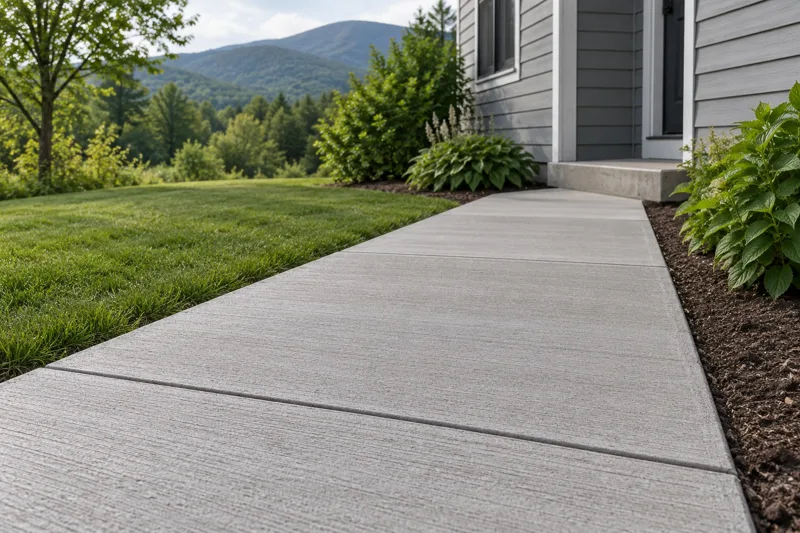
Send the town, approximate size and access details with wide views and close-ups. Photos help us route the inquiry; we confirm the project scope before booking.