
What to record
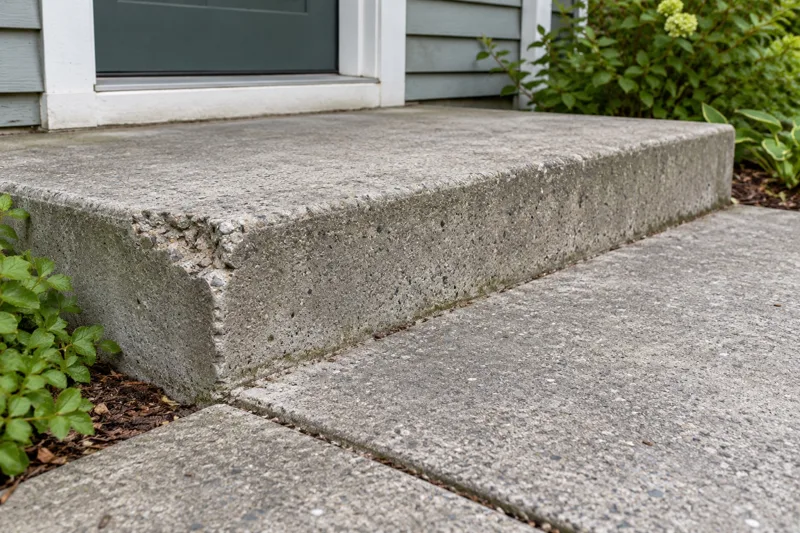
- Sketch the sequence of surfaces and photograph each transition from a safe position.
- Identify water observations and retaining features nearby.
- Do not infer hidden support conditions from the slope.
The decision to discuss
Ask which areas need review together and whether structural or drainage specialists are required. A local repair should define the transitions it addresses.
Why the surrounding context matters
Concrete can change with moisture, temperature, load and support conditions. A visible crack therefore needs context before a repair method is selected. Use the observations below to explain the question; leave the project-specific diagnosis to the appropriate review.
Further background: NRMCA: cracking concrete surfaces. This general background does not diagnose your property.
Local reference for Jericho
Jericho's map-viewer guide explains land-use and natural-resource layers, including a zoning-district map. See Jericho map viewer.
Use a public map to organize the inquiry and locate surrounding features. Keep actual slab measurements and private property boundaries subject to the appropriate records or site review.
Send the town, approximate size and access details with wide views and close-ups. Photos help us route the inquiry; we confirm the project scope before booking.