
What to record
- Show the proposed work boundary and visible service entries.
- Provide available drawings and any previous trench records.
- Do not infer concealed utility positions from a surface crack.
The decision to discuss
Ask how the relevant services will be identified and protected by qualified providers. Keep the concrete repair objective and utility verification responsibility clear.
Why the surrounding context matters
Concrete can change with moisture, temperature, load and support conditions. A visible crack therefore needs context before a repair method is selected. Use the observations below to explain the question; leave the project-specific diagnosis to the appropriate review.
Further background: NRMCA: cracking concrete surfaces. This general background does not diagnose your property.
Local reference for Proctor
Proctor's zoning page groups guidance, application material and zoning-office information. See Proctor zoning administrator.
Send a marked project footprint and describe any accompanying property changes. Use the local resource to ask about the proposed scope; an attractive surface sample cannot establish approval or hidden concrete condition.
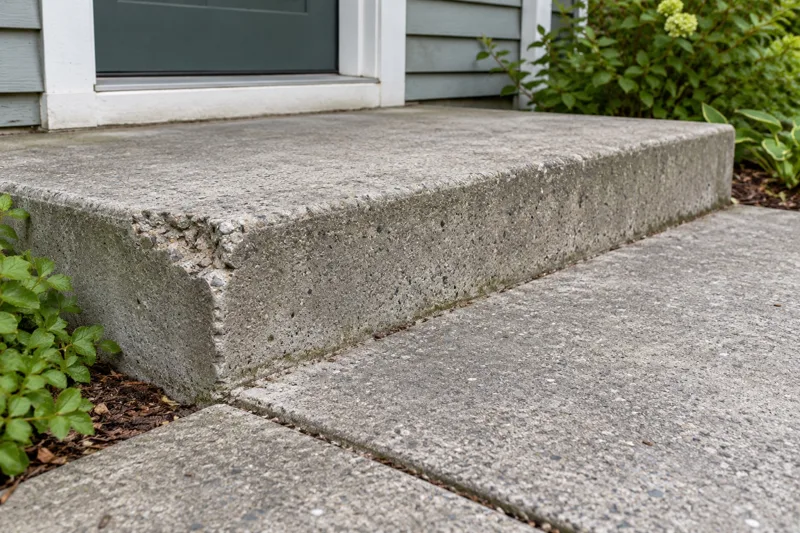
Send the town, approximate size and access details with wide views and close-ups. Photos help us route the inquiry; we confirm the project scope before booking.