
What to record
- Document the whole surface, not only the worst defect.
- Show joints, water paths, transitions and prior repairs.
- Describe the desired use and appearance after the work rather than asking only for a price per area.
The decision to discuss
Ask why each approach suits the condition and how uncertainty is handled. Replacement may allow a broader redesign; a local repair may retain sound material. Neither choice should be justified by a universal rule detached from the site.
Why the surrounding context matters
Concrete can change with moisture, temperature, load and support conditions. A visible crack therefore needs context before a repair method is selected. Use the observations below to explain the question; leave the project-specific diagnosis to the appropriate review.
Further background: NRMCA: cracking concrete surfaces. This general background does not diagnose your property.
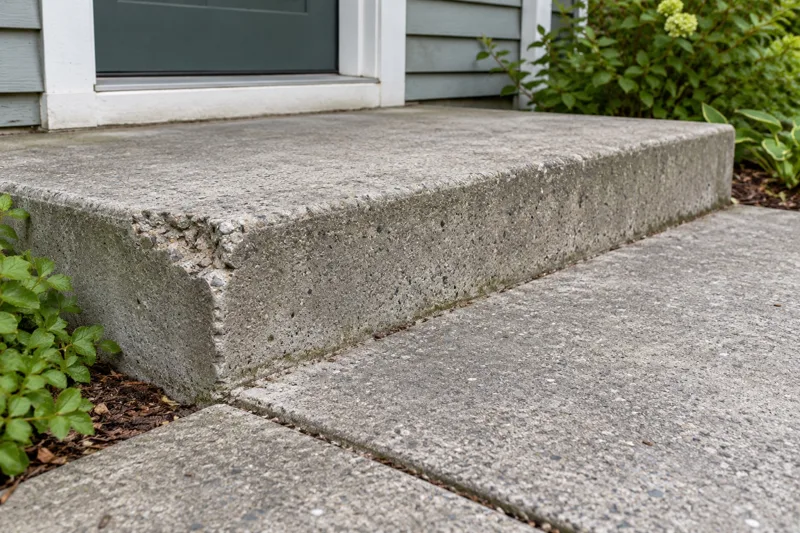
Send the town, approximate size and access details with wide views and close-ups. Photos help us route the inquiry; we confirm the project scope before booking.