
What to record
- Photograph adjoining panels, doors, downspouts and any visible void at an exposed edge.
- Share the history of movement and earlier lifting if known.
- Do not infer support conditions from the top surface alone.
The decision to discuss
Ask what the proposed lifting work addresses and what requires separate drainage or structural review. Compare the target transitions and exclusions. Keep future movement risk distinct from the immediate improvement in elevation.
Why the surrounding context matters
Concrete can change with moisture, temperature, load and support conditions. A visible crack therefore needs context before a repair method is selected. Use the observations below to explain the question; leave the project-specific diagnosis to the appropriate review.
Further background: NRMCA: cracking concrete surfaces. This general background does not diagnose your property.
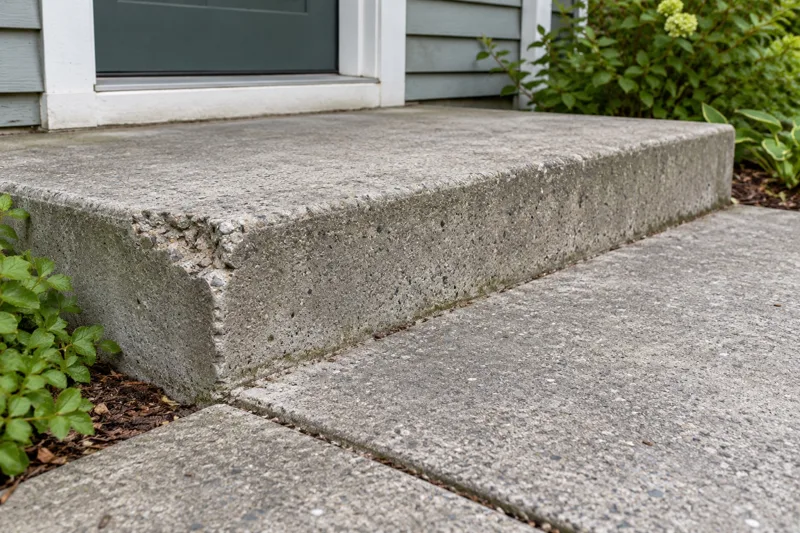
Send the town, approximate size and access details with wide views and close-ups. Photos help us route the inquiry; we confirm the project scope before booking.