
What to record
- Record where the material appears, whether the surface is damp and whether it returns after ordinary maintenance.
- Photograph surrounding walls, joints and stored materials.
- Avoid disturbing unknown growth or contamination for a close-up.
The decision to discuss
Ask whether the issue needs a moisture, material or health-related specialist in addition to concrete review. Coating over an unresolved condition can conceal useful evidence. Keep the concrete repair objective separate from any remediation scope.
Why the surrounding context matters
EPA emphasizes addressing moisture when dealing with mold concerns. Concrete work has its own defined scope and should not be presented as a health assessment or remediation service. Coordinate the relevant specialist review before covering an unresolved condition.
Further background: EPA: mold, moisture and your home. This general background does not diagnose your property.
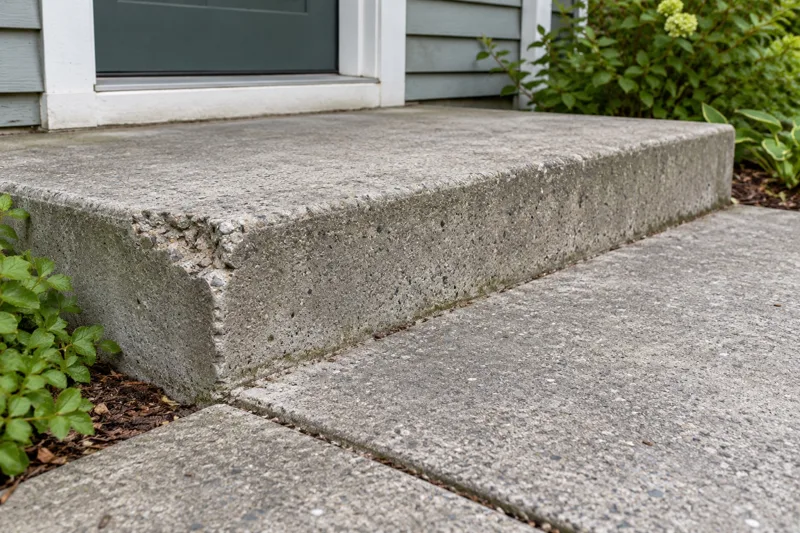
Send the town, approximate size and access details with wide views and close-ups. Photos help us route the inquiry; we confirm the project scope before booking.