
What to record
- Collect dated photographs, product containers or labels if they already exist, and the earlier written scope.
- Note when the patch first separated and whether surrounding concrete changed too.
- Leave loose or hazardous areas undisturbed for review.
The decision to discuss
An assessment can compare the old repair with the remaining substrate and intended exposure. Avoid selecting a replacement material solely because it looks different. Missing installation history should stay recorded as unknown.
Why the surrounding context matters
Concrete can change with moisture, temperature, load and support conditions. A visible crack therefore needs context before a repair method is selected. Use the observations below to explain the question; leave the project-specific diagnosis to the appropriate review.
Further background: NRMCA: cracking concrete surfaces. This general background does not diagnose your property.
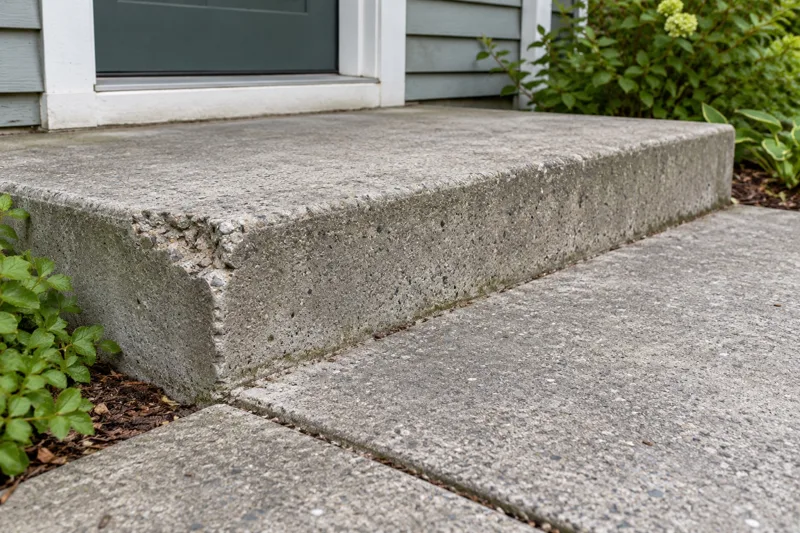
Send the town, approximate size and access details with wide views and close-ups. Photos help us route the inquiry; we confirm the project scope before booking.