
What to record
- Photograph a continuous section of the junction, nearby corners and the adjoining floor.
- Note when water appears and whether stored materials were wet.
- Keep access safe around electrical equipment or contaminated water.
The decision to discuss
Ask whether the junction treatment is only one part of a broader water-management plan. A bead of sealant does not establish that all sources of water or soil gas have been addressed. Keep each proposed objective explicit.
Why the surrounding context matters
EPA does not recommend relying on sealing alone to reduce radon. Keep actual testing and qualified mitigation review separate from a concrete repair inquiry. Work near an existing system should preserve its verified requirements and service access.
Further background: EPA: consumer guide to radon reduction. This general background does not diagnose your property.
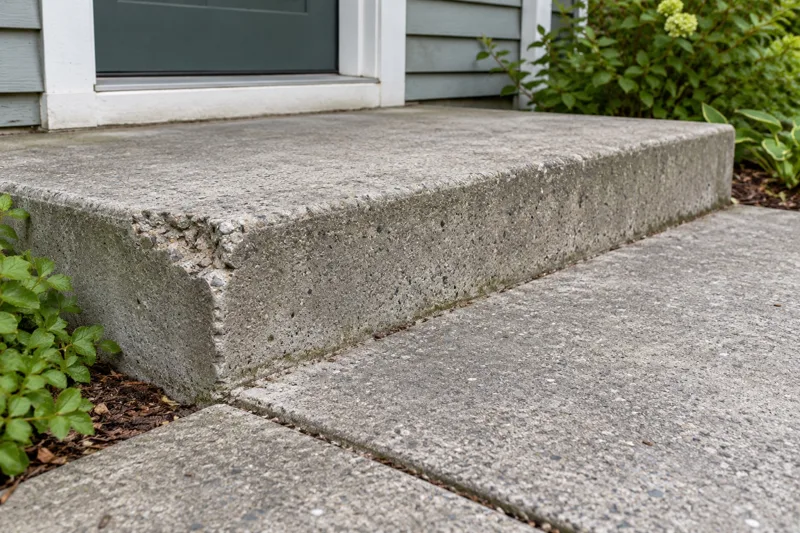
Send the town, approximate size and access details with wide views and close-ups. Photos help us route the inquiry; we confirm the project scope before booking.