
What to record
- Provide even-light wide and close views and note wet versus dry appearance.
- Share age and earlier treatment information if known.
- Describe raised edges or loss of material separately from the pattern itself.
The decision to discuss
Ask the reviewer to explain what supports the identification and whether testing or site review is needed. Avoid translating an online example into a diagnosis of your floor. Match the work to the verified condition.
Why the surrounding context matters
Concrete can change with moisture, temperature, load and support conditions. A visible crack therefore needs context before a repair method is selected. Use the observations below to explain the question; leave the project-specific diagnosis to the appropriate review.
Further background: NRMCA: cracking concrete surfaces. This general background does not diagnose your property.
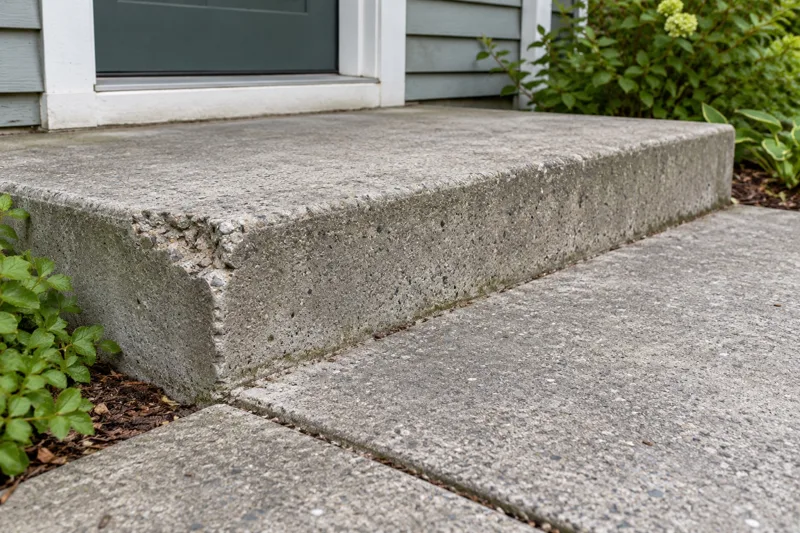
Send the town, approximate size and access details with wide views and close-ups. Photos help us route the inquiry; we confirm the project scope before booking.