
What to record
- Photograph both sides of the joint and the route of wheels or carts across it.
- Identify an existing flexible sealant or other filler only when records establish it.
- Note debris, broken edges and changes in level independently.
The decision to discuss
Ask how the proposed materials suit the actual joint and traffic. Filling a planned joint rigidly can change its function. The detail should describe edge support, movement expectations and the finish transition rather than just a product name.
Why the surrounding context matters
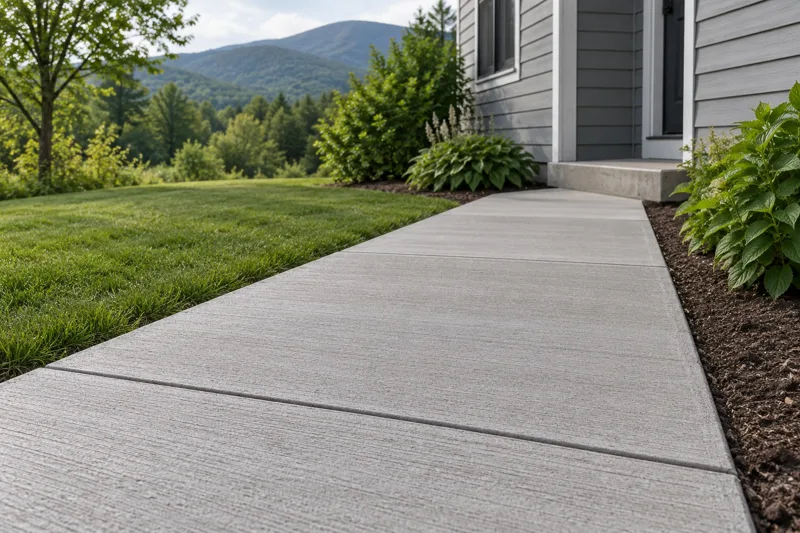
Joints can serve different purposes in a concrete assembly. The work should identify the actual junction and how the retained surfaces relate to it. A filled line and a functioning joint are different observations; ask for the intended detail before approving the finish.
Further background: NRMCA: joints in slabs on grade. This general background does not diagnose your property.
Send the town, approximate size and access details with wide views and close-ups. Photos help us route the inquiry; we confirm the project scope before booking.