
What to record
- List each area, the concern it creates and whether other work must happen first.
- Include planned utility or drainage changes.
- Mark essential entrances and equipment routes on the same sketch as the repair areas.
The decision to discuss
Ask whether separate phases create extra transitions or protection needs. Compare the consequences of doing one area now versus combining work later. The plan should identify the current approved scope without committing the owner to future paid work.
Why the surrounding context matters
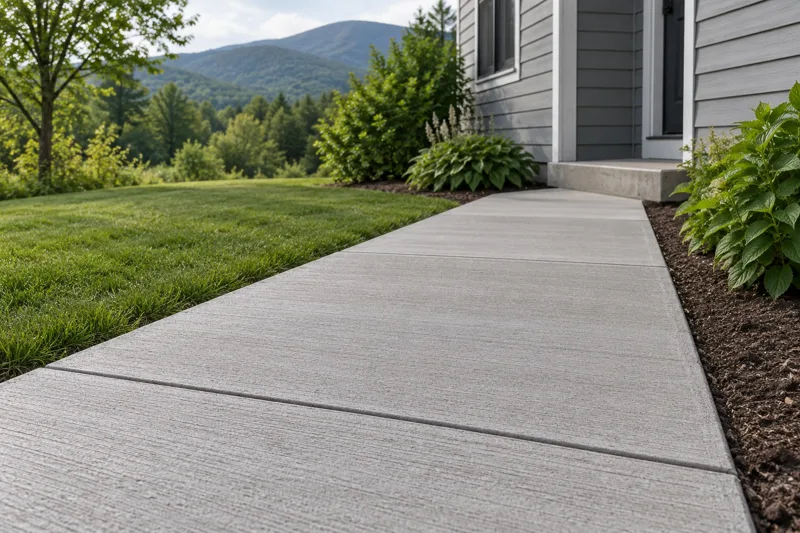
Joints can serve different purposes in a concrete assembly. The work should identify the actual junction and how the retained surfaces relate to it. A filled line and a functioning joint are different observations; ask for the intended detail before approving the finish.
Further background: NRMCA: joints in slabs on grade. This general background does not diagnose your property.
Send the town, approximate size and access details with wide views and close-ups. Photos help us route the inquiry; we confirm the project scope before booking.