
What to record
- Use the maintenance method appropriate to the existing surface and keep tools away from fragile edges.
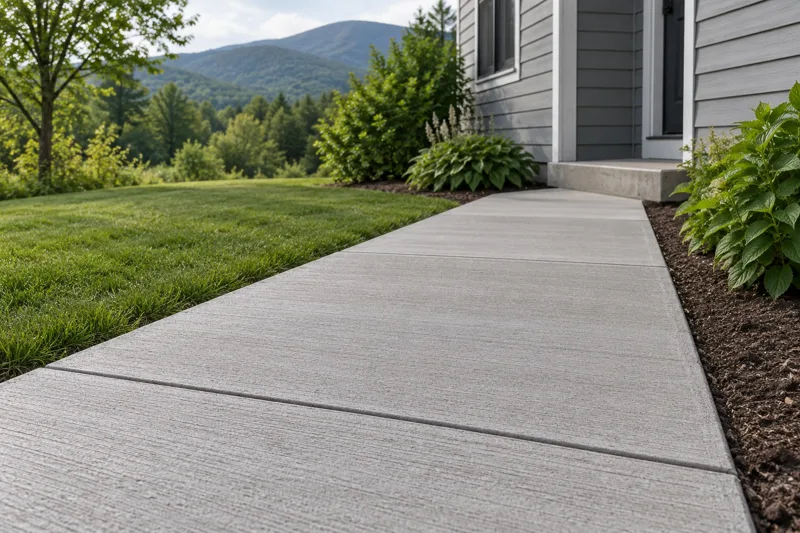
- Show the full joint, its endpoints and any damaged side.
- Label an unknown filler as unknown instead of identifying it by color.
The decision to discuss
Ask whether the concern involves debris, sealant condition, damaged concrete or movement. Do not turn a routine cleaning step into an unplanned joint repair. The proposed detail should preserve the function of the actual joint.
Why the surrounding context matters
Joints can serve different purposes in a concrete assembly. The work should identify the actual junction and how the retained surfaces relate to it. A filled line and a functioning joint are different observations; ask for the intended detail before approving the finish.
Further background: NRMCA: joints in slabs on grade. This general background does not diagnose your property.
Send the town, approximate size and access details with wide views and close-ups. Photos help us route the inquiry; we confirm the project scope before booking.