
What to record
- From a safe area, record the date, affected rooms and visible water path.
- Keep relevant service and remediation records.
- Do not enter contaminated water or areas with electrical hazards to gather images.
The decision to discuss
After the immediate response, ask which concrete conditions need review and which belong to water-management or remediation professionals. A later dry floor does not establish a permanent correction. Keep the event and subsequent work separately dated.
Why the surrounding context matters
EPA emphasizes addressing moisture when dealing with mold concerns. Concrete work has its own defined scope and should not be presented as a health assessment or remediation service. Coordinate the relevant specialist review before covering an unresolved condition.
Further background: EPA: mold, moisture and your home. This general background does not diagnose your property.
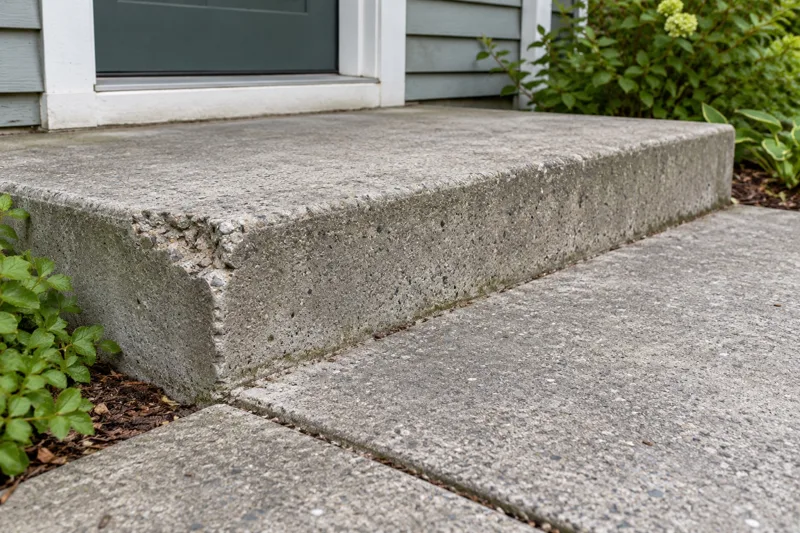
Send the town, approximate size and access details with wide views and close-ups. Photos help us route the inquiry; we confirm the project scope before booking.