
What to record
- Identify the existing surface and treatment history where records allow.
- Show damaged areas and normal use.
- Share the selected product information rather than assuming all sealers have the same function.
The decision to discuss
Ask what the treatment is intended to do, how the substrate will be prepared and what maintenance applies. Keep limitations explicit. A sealer application does not establish that a structural or drainage issue has been repaired.
Why the surrounding context matters
Exterior concrete can be exposed to water and freezing conditions. Surface loss needs review alongside that exposure, but appearance alone does not establish its cause. Keep the physical condition, water observations and proposed maintenance changes separately recorded.
Further background: NRMCA: scaling concrete surfaces. This general background does not diagnose your property.
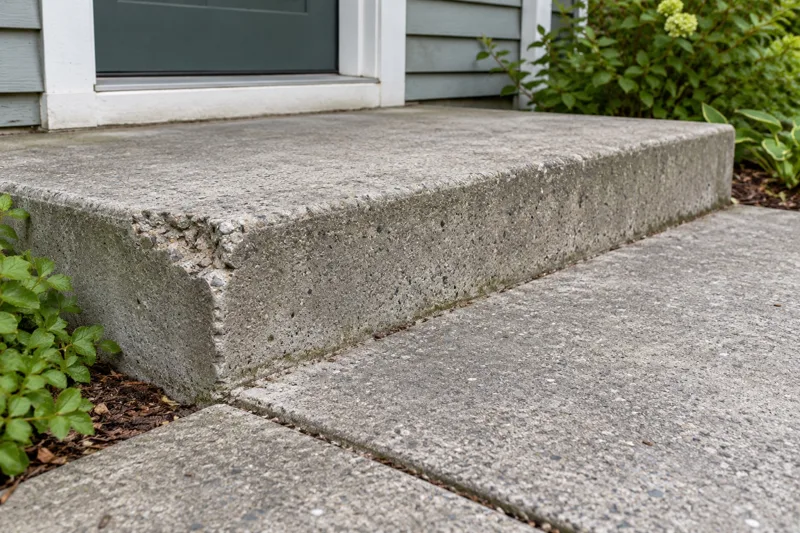
Send the town, approximate size and access details with wide views and close-ups. Photos help us route the inquiry; we confirm the project scope before booking.