
What to record
- Record the discovered condition, its location and the original work boundary.
- Ask for a clear explanation of why the previous scope is insufficient.
- Preserve photographs before the condition is covered.
The decision to discuss
The owner should understand the revised scope, exclusions, price and timing before approving it. Keep one project price for the agreed work with transparent applicable terms. An unexpected condition does not justify an undefined extra scope.
Why the surrounding context matters
Concrete can change with moisture, temperature, load and support conditions. A visible crack therefore needs context before a repair method is selected. Use the observations below to explain the question; leave the project-specific diagnosis to the appropriate review.
Further background: NRMCA: cracking concrete surfaces. This general background does not diagnose your property.
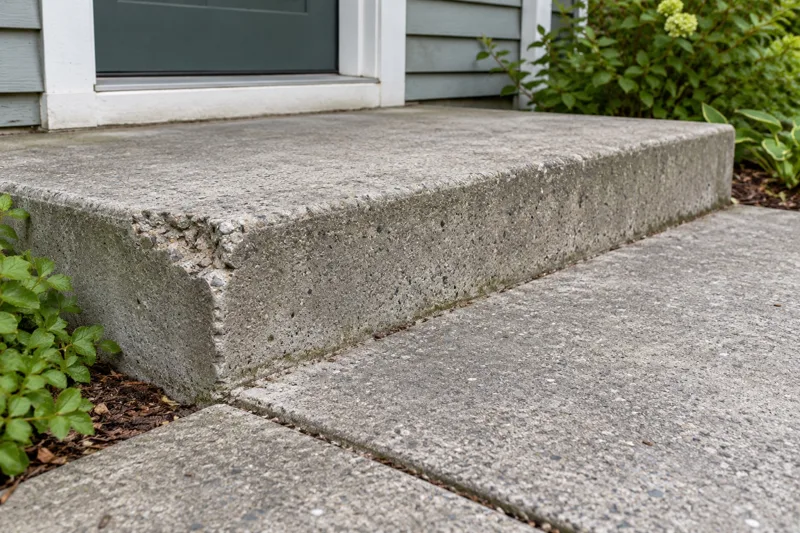
Send the town, approximate size and access details with wide views and close-ups. Photos help us route the inquiry; we confirm the project scope before booking.